
Latest news

Classic list

Globally incubate standards compliant channels before scalable benefits. Quickly disseminate superior deliverables whereas web-enabled applications.
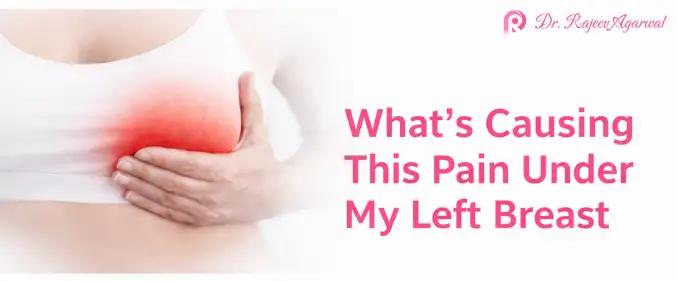
what-causes-pain-under-left-breast.webp

February 20, 2026 Uncategorized

Breast pain is quite common irrespective of age; however, not only women but also men can experience it. There can be many causes of this breast pain, and it is usually not breast cancer, as it can be associated with muscle issues, hormonal changes, or digestive issues. If you experience a sudden and sharp pain, whether a dull lingering ache or a puncturing sensation that pushes you to stop in between doing something, then it is best to get yourself checked with the best breast cancer doctor to know the root cause of the same.

Causes of left-sided breast pain

The left side of the chest is closely linked to many other vital organs, including the heart, stomach, lungs, and other structures. Discomfort in this area can be dangerous and often trigger anxiety in terms of serious complications. However, you must understand that all pain here is risky, and the root cause can range from simple muscle strain to trapped gas or to much more severe issues. Because the area comprises muscles, ribs, and other connective tissue, the causes of pain on the left side under the breast can be many. Pain in this area can be due to:

1. Musculoskeletal causes

Pain under the left breast may be due to strain of the chest wall muscles and inflammation of the connective tissue linking the ribs and the breastbone. The pain is localised and may be due to heavy lifting, slouching, or strenuous exercise.

2. Digestive causes

Also, the pain in the left under-breast area can also be due to a digestive issue that makes a person uncomfortable, like excess gas, indigestion, gastritis, and acid reflux. Their sudden sharp pain can be mainly after heavy meals or carbonated drinks.

3. Lung-associated factors

Also, the pain can be due to lung-related factors, including lung inflammation, mild pleurisy, and triggers that worsen with inhalation. The reasons can be respiratory infections or irritation of the lung lining, which is the cause for discomfort.

4. Cardiac sources

Some factors can be linked with cardiac issues, and the underlying breast pain can be due to heart issues like angina. If the pain is accompanied by other signs, such as dizziness, shortness of breath, or sweating, you must consult a doctor immediately to get yourself checked.

5. Gynecological causes

The pain left under the breast can be due to many breast-related issues or gynecological issues like hormonal fluctuations, benign tumors, or cysts of the breasts. The pain can be characterised by localised tenderness. The aches are cyclical and can also be related to the menstrual period.

6. Breast injury

Breast injury may also be the cause of the breast pain. Other related injuries can trigger the pain, like blunt breast trauma, motor vehicle collisions, etc.

7. Breastfeeding

Breastfeeding can also be affected by issues such as mastitis, engorgement, and improper latching, which are due to inflammation of breast tissue, overfilling of breasts with milk, or incorrect latching by the baby.

8. Breast infection

It can also cause breast pain, as initially, patients feel non-infectious inflammation that leads to abscess formation.

9. Medication side effects

Medications can also be the reason for the breast pain, as medications like hormonal replacement therapy or cardiovascular medications, etc., can lead to pain.

How to know the pain is due to breast cancer?

Most breast pain is not linked with breast cancer, according to the best breast cancer doctor in Gurgaon breast cancer does not cause pain. However, breast cancer is more common on the left side than on the right. If you have left-sided breast cancer, the signs that you may experience will be the same if the tumor is on the right side. The signs to notice are:

  • Breast pain or nipple pain
  • Breast or nipple skin turns red, dry, flaky, or thickened.
  • A lump or hard mass within the breast.
  • Nipple discharge
  • Nipple retraction
  • Skin dimpling
  • Swelling of all parts of the breast
  • Swollen lymph nodes located under the arm or near the collarbone.

In some cases, you may have no symptoms or only a dull ache. It is best to consult the best breast cancer doctor to know all the details. In most cases, breast pain is benign, but early evaluation and diagnosis are necessary for your health as well as peace of mind. Your doctor will recommend whether further testing is appropriate to confirm the cause of your pain.

Difference in symptoms between cancerous and non-cancerous breast pain

The signs of cancerous and non-cancerous breast pain can overlap and can make a person confused. Women who experience swelling, pain, breast tenderness, or lumps in the breast may consult the best breast cancer doctor in Gurgaon to rule out the root cause. However, noncancerous breast pain may be due to hormonal fluctuations and is usually localised with swelling and tenderness, and diuresis after menstruation is completed. On the other hand, the cancerous breast pain is persistent and non-cyclical and also comes with many different symptoms like nipple discharge, lumps, and a change in the shape and size of the breast. So when you experience breast pain with other listed signs, you must consult a breast cancer doctor to get yourself evaluated and to get the on-time early treatment to avoid future complications.

Conclusion

Breast pain can be frustrating, not only physically but emotionally as well, and can mess with your sleep, relationships, etc. If the breast pain is constant and close to your menstrual cycle, then it is fine, but if it is outside your menstrual cycle phase, then you must consult a doctor to get it checked. However, breast pain is not the only sign of breast cancer and can be due to many other reasons as well, as listed above. The doctor will advise you to undergo further testing to rule out possible causes and to start the best treatment for you. Get in touch with Dr. Rajeev Aggarwal, one of the renowned oncologists in Gurgaon, offering specialized care to many disease-related breast conditions and specializing in treating breast cancer, breast lumps, breast pain management, etc. Get a proper personalized treatment plan tailored to your specific diagnosis and requirements.




Dr.-Rajeev-Agarwal-2.webp

November 17, 2025 Uncategorized

स्तन दर्द, जिसे मास्टाल्जिया भी कहा जाता है, सभी उम्र की महिलाओं में एक आम चिंता का विषय है। हालाँकि स्तन दर्द के ज़्यादातर मामले कैंसर-संबंधी नहीं होते बल्कि ये हार्मोनल बदलाव, सिस्ट या संक्रमण के कारण होते हैं, लेकिन यह बेचैनी काफ़ी चिंता का कारण बन सकती है—खासकर स्तन कैंसर के डर के कारण। स्तन दर्द का निदान कैसे किया जाता है और कौन से परीक्षण आवश्यक हैं, यह समझने से आपको इस समस्या का समाधान समय पर चिकित्सा सहायता लेने से मिल सकती है।

स्तन दर्द के निदान के बारे में गहराई से जाने से पहले, यह जानना ज़रूरी है कि सभी स्तन दर्द किसी गंभीर बीमारी का संकेत नहीं होते। चिकित्सकीय भाषा में, स्तन दर्द को दो मुख्य प्रकारों में वर्गीकृत किया जाता है – चक्रीय और गैर-चक्रीय।

चक्रीय स्तन दर्द

इस प्रकार का दर्द मासिक धर्म चक्र और हार्मोनल उतार-चढ़ाव से जुड़ा होता है। यह आमतौर पर मासिक धर्म से पहले होता है और बाद में कम हो जाता है। दर्द अक्सर हल्का, भारी होता है और दोनों स्तनों को प्रभावित करता है। यह 20-40 वर्ष की आयु की महिलाओं में सबसे आम है।

गैर-चक्रीय स्तन दर्द

यह दर्द मासिक धर्म से संबंधित नहीं है और एक या दोनों स्तनों में हो सकता है। यह तेज, स्थानीय या लगातार हो सकता है। इसके कारणों में चोट, संक्रमण (स्तनशोथ), सिस्ट, कुछ दवाएं, या स्तन के पास मस्कुलोस्केलेटल दर्द भी शामिल हैं। हालाँकि अकेले स्तन दर्द शायद ही कभी स्तन कैंसर का संकेत होता है, लेकिन अगर यह बना रहता है, बिगड़ जाता है, या इसके साथ गांठ, निप्पल से स्राव, या त्वचा में बदलाव जैसे अन्य लक्षण दिखाई देते हैं, तो इसे नज़रअंदाज़ नहीं करना चाहिए।

आपको डॉक्टर से कब मिलना चाहिए?

आपको डॉक्टर से परामर्श लेना चाहिए अगर:-

  • दर्द दो हफ़्तों से ज़्यादा समय तक बना रहे
  • स्तन में गांठ या मोटा क्षेत्र हो
  • आपको निप्पल से स्राव दिखाई दे (खासकर अगर उसमें खून आ रहा हो)
  • स्तन की त्वचा लाल, गड्ढेदार या सूजी हुई हो
  • दर्द आपकी दैनिक गतिविधियों या नींद में बाधा डालता हो

समय पर परामर्श किसी भी अंतर्निहित समस्या का जल्द पता लगाने और मन की शांति सुनिश्चित करता है।

डॉक्टर स्तन दर्द के निदान के लिए क्या करते हैं

स्तन दर्द का निदान एक विस्तृत चिकित्सा मूल्यांकन से शुरू होता है। डॉक्टर यह निर्धारित करने का लक्ष्य रखते हैं कि दर्द हार्मोनल है, मांसपेशियों से संबंधित है, या स्तन tissue की असामान्यताओं से संबंधित है। निदान प्रक्रिया में आमतौर पर निम्नलिखित चरण शामिल होते हैं:

  1. चिकित्सा इतिहास और लक्षण समीक्षा

आपका डॉक्टर सबसे पहले आपके लक्षणों के बारे में विस्तृत प्रश्न पूछेगा, जैसे:-

  • दर्द कब शुरू हुआ और कितने समय तक रहता है?
  • क्या दर्द स्थानीय है या पूरे स्तन में फैला हुआ है?
  • क्या यह आपके मासिक धर्म चक्र के साथ बदलता रहता है?
  • क्या आपको छाती के क्षेत्र में कोई चोट या सर्जरी हुई है?
  • क्या आप हार्मोनल थेरेपी, गर्भनिरोधक या अन्य दवाएं ले रही हैं?
  • क्या स्तन रोग या कैंसर का कोई पारिवारिक इतिहास है?

इस चर्चा से यह पता लगाने में मदद मिलती है कि दर्द चक्रीय है, गैर-चक्रीय है, या मांसपेशियों या पसलियों जैसी आस-पास की संरचनाओं से फैल रहा है।

  1. शारीरिक परीक्षण

आपका चिकित्सा इतिहास जानने के बाद, डॉक्टर एक नैदानिक ​​स्तन परीक्षण (सीबीई) करते हैं। इस चरण में शामिल हैं:

  • सूजन, लालिमा, गड्ढे या निप्पल से स्राव जैसे दिखाई देने वाले परिवर्तनों के लिए दोनों स्तनों का निरीक्षण करना।
  • गांठ, सिस्ट या कोमलता की जाँच के लिए स्तन ऊतक और बगल के क्षेत्रों को छूना (महसूस करना)।
  • समरूपता, त्वचा की बनावट और अंतर्निहित ऊतक की स्थिरता का आकलन करना।

सामान्य फाइब्रोसाइटिक ऊतक परिवर्तनों और असामान्य वृद्धि के बीच अंतर करने के लिए नैदानिक ​​परीक्षण महत्वपूर्ण है।

  1. संबंधित लक्षणों की पहचान

कभी-कभी, स्तन दर्द स्तन के बाहर के कारणों से भी हो सकता है, जैसे:

  • व्यायाम या खराब मुद्रा के कारण मांसपेशियों में खिंचाव या छाती की दीवार में दर्द।
  • कॉस्टोकॉन्ड्राइटिस, जो पसलियों को उरोस्थि से जोड़ने वाली उपास्थि की सूजन है।
  • कंधे, रीढ़ या हृदय से दर्द।

यदि स्तन से इतर कारणों का संदेह है, तो डॉक्टर आपको आगे की जाँच के लिए किसी विशेषज्ञ के पास भेज सकते हैं।

स्तन दर्द के लिए नैदानिक ​​परीक्षण

एक बार नैदानिक ​​परीक्षण पूरा हो जाने के बाद, विशिष्ट नैदानिक ​​परीक्षण किसी भी अंतर्निहित स्तन संबंधी समस्या का पता लगाने में मदद करते हैं। परीक्षणों का चुनाव आपकी उम्र, लक्षणों और परीक्षण के निष्कर्षों पर निर्भर करता है।

  1. मैमोग्राफी

मैमोग्राफी स्तन का एक एक्स-रे है जो गांठ, कैल्सीफिकेशन या ट्यूमर जैसी असामान्यताओं का पता लगाने में मदद करता है। यह स्तन मूल्यांकन में इस्तेमाल किया जाने वाला सबसे आम इमेजिंग परीक्षण है, खासकर 40 वर्ष से अधिक उम्र की महिलाओं के लिए।

अगर दर्द बना रहता है या अन्य लक्षणों से जुड़ा होता है, तो डॉक्टर आमतौर पर नैदानिक ​​मैमोग्राम (चिंता के क्षेत्र पर केंद्रित) की सलाह देते हैं। यह कब अनुशंसित है:

  • लगातार या अस्पष्टीकृत स्तन दर्द
  • गांठ या निप्पल में बदलाव की उपस्थिति
  • 40+ आयु वर्ग की महिलाओं के लिए स्क्रीनिंग

यह परीक्षण स्तन की आंतरिक संरचना की स्पष्ट तस्वीर प्रदान करता है और स्तन कैंसर के शुरुआती लक्षणों का भी पता लगाने में मदद करता है।

  1. स्तन अल्ट्रासाउंड

स्तन अल्ट्रासाउंड में स्तन ऊतक की तस्वीरें लेने के लिए ध्वनि तरंगों का उपयोग किया जाता है। यह युवा महिलाओं (40 वर्ष से कम उम्र की) के लिए एक पसंदीदा परीक्षण है क्योंकि उनके स्तन ऊतक सघन होते हैं, जिससे मैमोग्राफी कम प्रभावी होती है।

अल्ट्रासाउंड ठोस पिंडों (जैसे ट्यूमर) और द्रव से भरे सिस्ट के बीच अंतर करने में मदद करता है। यदि कोई संदिग्ध क्षेत्र पाया जाता है, तो यह सुई बायोप्सी के लिए भी सहायक होता है। इसकी सिफारिश कब की जाती है:-

  • शारीरिक परीक्षण के दौरान पाई गई गांठ का मूल्यांकन करने के लिए
  • स्थानीयकृत दर्द या सूजन के मामलों में
  • सघन स्तन tissues वाले रोगियों के लिए

यह एक दर्द रहित, त्वरित और विकिरण-मुक्त इमेजिंग विकल्प है।

  1. एमआरआई (मैग्नेटिक रेजोनेंस इमेजिंग)

स्तन एमआरआई विस्तृत, उच्च-रिज़ॉल्यूशन वाली तस्वीरें प्रदान करता है और इसका उपयोग तब किया जाता है जब अन्य इमेजिंग परीक्षण अनिर्णायक परिणाम देते हैं। यह विशेष रूप से उन महिलाओं के लिए उपयोगी है जिनके परिवार में स्तन कैंसर का इतिहास रहा है या जिनके स्तन प्रत्यारोपण हुए हैं, जहाँ मैमोग्राफी स्पष्ट दृश्यता प्रदान नहीं कर सकती है। इसकी अनुशंसा कब की जाती है:-

  • मैमोग्राम या अल्ट्रासाउंड में पाई गई असामान्यताओं का आकलन करने के लिए
  • उच्च जोखिम वाले रोगियों या सर्जरी के बाद के मूल्यांकन के लिए
  • निदान किए गए मामलों में उपचार की प्रतिक्रिया की निगरानी के लिए

हालांकि स्तन दर्द के लिए इसका नियमित रूप से उपयोग नहीं किया जाता है, एमआरआई जटिल या अस्पष्ट निदान स्थितियों में महत्वपूर्ण भूमिका निभाता है।

  1. फ़ाइन नीडल एस्पिरेशन साइटोलॉजी (FNAC) या बायोप्सी

यदि कोई संदिग्ध गांठ, सिस्ट या घाव पाया जाता है, तो डॉक्टर FNAC या बायोप्सी की सलाह दे सकते हैं।

  • FNAC: सूक्ष्म परीक्षण के लिए कोशिकाओं को एकत्रित करने हेतु गांठ में एक पतली सुई डाली जाती है।
  • कोर नीडल बायोप्सी: एक बड़ी सुई ऊतक का एक छोटा नमूना लेकर यह पुष्टि करती है कि यह सौम्य है या घातक।

ये प्रक्रियाएँ किसी भी ज्ञात असामान्यता की प्रकृति की पुष्टि करती हैं और आगे के उपचार का मार्गदर्शन करती हैं।

  1. हार्मोनल और रक्त परीक्षण

कुछ मामलों में, डॉक्टर हार्मोन के स्तर, थायरॉइड फ़ंक्शन या संक्रमण के संकेतों का आकलन करने के लिए रक्त परीक्षण की सलाह दे सकते हैं। हार्मोनल असंतुलन (विशेषकर एस्ट्रोजन या प्रोजेस्टेरोन से संबंधित) अक्सर चक्रीय स्तन दर्द से जुड़े होते हैं।

संक्रमण से संबंधित स्तन दर्द (जैसे स्तनदाह) में श्वेत रक्त कोशिकाओं की संख्या में वृद्धि या सूजन के संकेत दिखाई दे सकते हैं।

Also Read-: स्तन दर्द से राहत: घर पर आजमाए जा सकने वाले प्राकृतिक उपचार


डॉक्टर परिणामों की व्याख्या कैसे करते हैं

सभी परीक्षण पूरे होने के बाद, आपका डॉक्टर दर्द का सटीक कारण निर्धारित करने के लिए परिणामों की सामूहिक समीक्षा करता है।

  • यदि सभी इमेजिंग और लैब परीक्षण सामान्य हैं, तो यह संभवतः हार्मोनल या मांसपेशियों से संबंधित है।
  • यदि सिस्ट पाए जाते हैं, तो उन्हें निकाला जा सकता है या दवा से नियंत्रित किया जा सकता है।
  • यदि संक्रमण पाया जाता है, तो एंटीबायोटिक्स और गर्म सिकाई आमतौर पर मददगार होती है।
  • यदि ट्यूमर या असामान्य कोशिका वृद्धि का पता चलता है, तो एक विस्तृत कैंसर मूल्यांकन और उपचार योजना बनाई जाती है।

यह व्यवस्थित दृष्टिकोण अनावश्यक तनाव या प्रक्रियाओं को रोकते हुए सटीकता सुनिश्चित करता है।

क्या स्तन दर्द स्तन कैंसर का संकेत हो सकता है?

हालाँकि अकेले स्तन दर्द आमतौर पर स्तन कैंसर का संकेत नहीं होता, लेकिन लगातार या स्थानीयकृत दर्द—खासकर अन्य लक्षणों के साथ—के लिए सावधानीपूर्वक जाँच ज़रूरी है।

भारत में, कई महिलाएँ डर या कलंक के कारण चिकित्सकीय परामर्श में देरी करती हैं, जिससे गंभीर स्थितियों का पता देर से चल पाता है।

30 वर्ष से अधिक आयु की सभी महिलाओं, खासकर जिनके परिवार में स्तन कैंसर का इतिहास रहा हो, के लिए नियमित रूप से स्वयं स्तन परीक्षण (एसबीई) और वार्षिक जाँच की सलाह दी जाती है।

स्तन दर्द का प्रबंधन

यदि कोई गंभीर अंतर्निहित समस्या नहीं पाई जाती है, तो जीवनशैली और घरेलू उपचार अक्सर असुविधा को कम करने में मदद कर सकते हैं:-

  • तनाव कम करने के लिए सपोर्टिव ब्रा पहनें।
  • गर्म या ठंडी सिकाई करें।
  • कैफीन और उच्च वसा वाले खाद्य पदार्थों का सेवन कम करें।
  • विटामिन ई और बी6 से भरपूर संतुलित आहार लें।
  • धूम्रपान और अत्यधिक शराब के सेवन से बचें।
  • विश्राम तकनीक या हल्के व्यायाम का अभ्यास करें।

कभी-कभी, आपका डॉक्टर गंभीर मामलों में ईवनिंग प्रिमरोज़ तेल, हल्के दर्द निवारक या हार्मोनल थेरेपी की सलाह दे सकता है।

निष्कर्ष

स्तन दर्द परेशान करने वाला हो सकता है, लेकिन ज़्यादातर मामलों में, यह कैंसर का संकेत नहीं होता। ज़रूरी है कि आप अपने शरीर को समझें, असामान्य बदलावों को जल्दी पहचानें और सही निदान के लिए किसी योग्य विशेषज्ञ से सलाह लें।

मैमोग्राफी, अल्ट्रासाउंड और FNAC जैसे परीक्षण मूल कारण का पता लगाने में अहम भूमिका निभाते हैं, जिससे यह सुनिश्चित होता है कि किसी भी गंभीर स्थिति का जल्द पता लगाया जा सके और उसका प्रभावी ढंग से इलाज किया जा सके।

विशेषज्ञ मूल्यांकन और सहानुभूतिपूर्ण देखभाल के लिए, Gurgaon के सर्वश्रेष्ठ स्तन कैंसर डॉक्टरों में से एक, डॉ. राजीव अग्रवाल जैसे प्रतिष्ठित विशेषज्ञ से परामर्श लेने से आपको सटीक निदान और मन की शांति मिल सकती है। याद रखें – समय पर जाँच और जागरूकता स्तन संबंधी बीमारियों से बचाव का सबसे अच्छा उपाय है।


Dr.-Rajeev-Agarwal-1-1.webp

November 5, 2025 Uncategorized

Breast cancer has been the most common cancer threatening women across the globe. The treatment has improved dramatically over the past few decades. The medical advancements give millions of women a chance to live long and healthy lives after recovery. 

However, the one question that has been raising concern in the minds of cancer survivors is the possibility of breast cancer recurrence. It happens when the disease returns after a period of remission.

While most recurrences happen within the first five years after treatment, studies show that breast cancer can sometimes return even after 10, 15, or 20 years. 

This risk typically depends on several factors, such as the type of breast cancer, initial stage, and ongoing treatment approach.

Learning the long-term chances of breast cancer recurrence can help cancer survivors stay updated and make informed decisions. 

This blog will look into everything you must know about the chances of breast cancer recurrence after 10, 15, or 20 years. 

What Is Breast Cancer Recurrence?

The recurrence of breast cancer refers to the return of cancer cells after success treatment and a period when no cancer was detectable. It can even occur after surgery, chemotherapy, radiation, or hormone therapy as a few microscopic cancer cells may survive and remain inactive in the body for years. But as time passes, these inactive cells can start growing lead. This is what leads to recurrence. 

There are three main types of breast cancer recurrence:

  • Local recurrence: When cancer returns in the same breast or the surgical scar area.
  • Regional recurrence: When cancer reappears in nearby lymph nodes, such as those in the underarm or collarbone area.
  • Distant recurrence (metastatic): When cancer spreads to other parts of the body like the bones, lungs, liver, or brain.

Well, recurrence does not mean treatment failed, it means the cancer has found a way to reappear. 

What Causes Breast Cancer to Recur?

While the primary recurrence of breast cancer generally happens when some cancer cells survive and become active again over time even after the initial treatment. 

These cells may remain inactive for years before they start to grow. However, the reasons for recurrence can vary from person to person. A few several key factors can increase the likelihood:

  • Cancer stage at diagnosis: In the case of an advanced stage of cancer at the time of initial diagnosis, the chances are higher that cancer cells may have already spread beyond the breast.
  • Hormone receptor status:
    -ER/PR-positive cancers may recur even after 10–20 years. It happens because these cancers can stay inactive for long periods.

-Triple-negative cancers are more likely to return within the first five years. 

  • Type of treatment received: An incomplete or unsuccessful removal of cancer cells during surgery, or skipping recommended therapies like radiation or hormone therapy, can leave residual cancer cells behind.
  • Lifestyle and overall health: Beyond clinical treatments, lifestyle factors like smoking, obesity, poor diet, and lack of physical activity can contribute to a higher recurrence risk.
  • Genetic and biological factors: Mutations like BRCA1 or BRCA2 can also increase the likelihood of both recurrence and new breast cancers.

Also Read – : What You Need to Know About Your Breast Cancer

Chances of Breast Cancer Recurrence Over Time

As said above, the recurrence of breast cancer depends on different factors. While most recurrences happen within the first five years after treatment, some types can also return after 10, 15, or 20 years.

Let’s understand how recurrence risk changes over time.

Recurrence Within 5–10 Years

The first 5-10 years is the most common period for breast cancer recurrence. Several studies show that around 7–11% of breast cancer survivors experience recurrence within this timeframe. Moreover, triple-negative and HER2-positive cancers are more likely to recur early. However, less likely to return after 10 years. Going for regular follow-ups, mammograms, and hormone therapy is critical during this period.

Recurrence After 10 Years

So, even after a decade, breast cancer recurrence is possible. It is more common for individuals with ER-positive breast cancers. According to research, 10–20% of patients with hormone receptor-positive cancer may face recurrence after 10 years. Most often, these late recurrences occur in distant organs like bones or lungs rather than in the breast itself. Continuing with hormone therapy for 10 years can help reduce long-term recurrence risk.

Recurrence After 15 Years

While the chances of breast cancer recurrence are less after 15 years, it is still possible. It is common in women with initially large tumours or positive lymph nodes. Some studies have found that women with ER-positive and node-positive breast cancer have about a 10% chance of recurrence between years 15 and 20. Maintaining healthy habits and regular medical check-ups is important even after many years of remission.

Recurrence After 20 Years

While rare, breast cancer recurrence can happen even after 20 years. It is more common to develop in some slow-growing cancers. Individuals with hormone receptor-positive cancers are more likely to return late than people dealing with triple-negative types. Lifelong awareness, yearly mammograms, and prompt evaluation of new symptoms can help catch any late recurrence early.

Signs and Symptoms of Recurrence

It is critical to recognize the early signs and symptoms of breast cancer recurrence to ensure timely diagnosis and treatment. The symptoms can vary depending on whether the recurrence is local, regional, or distant (metastatic). 

All in all, staying alert to any unusual changes in your body and discussing them with your doctor can make a major difference.

1. Local Recurrence

The local recurrence happens when cancer returns in the same breast or nearby to the surgical area. Some most common signs include:

  • A new lump or thickening near the mastectomy or lumpectomy scar
  • Changes in the skin texture, such as redness, swelling, or dimpling
  • Nipple changes or discharge (if breast tissue remains)
  • Persistent pain or tenderness around the treated area

2. Regional Recurrence

The regional recurrence can affect the nearby lymph nodes. Some common signs to look out for as follows:

  • Swelling or lumps under the arm, near the collarbone, or in the neck area
  • A feeling of tightness or discomfort in the chest or armpit
  • Persistent swelling in the arm or hand (lymphedema)

3. Distant or Metastatic Recurrence

When cancer spreads to other parts of the body, symptoms depend on where it reappears.
The common signs include:

  • In case cancer spread to bones, bone pain or fractures may occur. 
  • If lungs are affected, shortness of breath or persistent cough may occur. 
  • If liver is involved, abdominal pain or jaundice may happen. 
  • If brain is affected, it is normal to experience severe headaches, dizziness, or vision problems. 
  • Unexplained fatigue or weight loss.

How to Lower the Risk of Recurrence?

Well, there is no one full-proof way to eliminate the risk of breast cancer recurrence. But there are some ways to minimize this risk and support long-term health. A few effective ways include:

1. Continue Prescribed Hormone Therapy

For women diagnosed with hormone receptor-positive breast cancer, it is important to continue with hormone therapy, such as Tamoxifen or aromatase inhibitors for at least 5-10 years. It can help reduce the risk of the late recurrence. In addition, never stop your medication without consulting your oncologist.

2. Maintain a Healthy Weight

Excess body fat can increase estrogen levels and inflammation. Both of them can increase the risk of recurrence. Thus, following a balanced diet rich in vegetables, fruits, whole grains, and lean proteins is recommended to maintain a healthy weight.

3. Stay Physically Active

Keep yourself active physically, such as light walking, yoga, or swimming. All of this has shown to lower recurrence risk by improving hormone balance and immunity. It is recommended to strive for at least 150 minutes of moderate activity per week.

4. Limit Alcohol and Avoid Smoking

Drinking alcohol can raise estrogen levels, and smoking may interfere with healing and increase cancer risk. Minimizing or completely eliminating both can have a lasting positive impact and reduced recurrence risk.

5. Manage Stress and Prioritize Mental Health

Dealing with chronic stress can affect immune function and overall health. Mindfulness, meditation, and counseling can help manage anxiety about recurrence and improve quality of life.

6. Follow Up Regularly with Your Doctor

Attending routine checkups, mammograms, and blood tests is critical for catching any signs of recurrence early. Ensure to share any new or unusual symptoms with your healthcare provider.

7. Eat a Balanced and Anti-Inflammatory Diet

Include foods high in antioxidants. Berries, nuts, green tea, and olive oil are a few of the examples. Moreover, it is advised to reduce processed foods and sugars. Having good nutrition can support faster recovery and immune defense.

Conclusion

Breast cancer can appear again even 10, 15, or 20 years after initial treatment. However, the risk of recurrence varies according to cancer type, stage, and therapy. Remember to understand recurrence patterns to stay vigilant and take proactive steps. Moreover, regular follow-ups, awareness of symptoms, adherence to prescribed treatments, and healthy lifestyle choices can significantly reduce the risk. 

If you are seeing any signs or symptoms of breast cancer recurrence, then book your consultation now at Dr. Rajeev Agarwal.


Dr.-Rajeev-Agarwal-1.webp

September 29, 2025 Uncategorized

Many women experience painful breasts with tenderness and soreness, and wonder why their breasts hurt and feel heavy and start worrying about whether it could be a sign of breast cancer. However, only a sign of breast pain does not indicate breast cancer, as the pain is bothersome but is rarely a sign of cancer; breast pain interferes with your day-to-day tasks and should be checked by the best breast cancer doctor to know the causes and to get it treated. Breast pain is very common among women, as about 75 to 80 percent of them experience this pain at some point in life.  Breast pain is also termed as mastalgia, and it often occurs during the time of the  menstrual cycle and can be in one or both breasts.  It can be sharp, mild or even shooting pain and can be due to many reasons.

Also read: Top 10 Quick Remedy for Breast Pain

Types of breast pain 

Breast pain is of many types, and you must understand them well to know when you have to take it seriously : 

  • Cyclic breast pain 

It is the type of breast pain which  occurs in both breasts a day before the menstrual cycle. It is said to be the most common pain in women; however, it disappears for set periods, but in some cases, it may become severe and extend throughout the cycle. In many cases, the pain improves with time, irrespective of the type of treatment. 


  • Non-cyclic breast  pain 

It is also a type of breast pain in one breast that is not related to the menstrual cycle and can be due to pregnancy or trauma. The pain can be experienced in one breast and begins in the nipple and radiates to the armpit. This pain is also very common and resolves on its own; if it persists for more than three months, then it needs medical attention. 

Causes of  breast pain 

Breast pain involves discomfort, pain and tenderness in the breast or underarm area and can be due to many reasons. It affects many females in their reproductive years and is the most frequent complaint in the ages of 15 to 40.  There are many causes of breast pain that you must understand : 

  • Hormonal changes 

Hormonal fluctuations are said to be the primary cause of breast pain in women. Females feel breast tenderness or soreness a few days before their menstrual periods. This is because of the rise of progesterone and estrogen in their body. This pain is a cyclic type and is nothing to worry about, and it goes away when your period begins. 


  • Incorrect bra fit 

Another reason for the breast pain can be the fit of your bralette, as if you wear a tight-fitting bra, especially an underwire bra, then it can cause the pain. This is because the inflammation in the ligaments that connect your breast to the chest wall becomes painful and overstretched. However, it can be managed well by wearing a properly-fitting bra and a non-wired one. Also, you must wear supportive bras when exercising. 


  • Fibrocystic breast tissue

Another reason for breast pain is the lumpy breast tissue,, also termed fibrocystic breasts, which develops pain during certain times of the month. The main cause of this type of issue is hormonal fluctuations; however, keep in mind that lupus is not also connected with breast cancer, as they are fluid-filled cysts that can be managed and treated effectively by using warm and cold compresses and taking over-the-counter medications. 


  • Breast injury 

It can be another cause of breast pain in women, as breasts are susceptible to injuries, same like any other body part. These injuries can be injured due to accidents, surgery, getting impacted, nats, etc. This injury can cause swelling of the breast vein and form a blood clot and lead to severe pain that can last for a few days to weeks post-treatment.


  • Medications

Certain medications are also responsible for the breast pain as they trigger the pain extremely. These medications can be for mental health conditions, hormonal therapies, high BP or for low blood cell count.  However, you have to discuss this with your doctor to get your medication changed to solve the issue.


  • Breastfeeding and infection

It is also one of the causes of breast pain, as breastfeeding can cause cracked and sore nipples. The time you can feel sharp pain, but that pain can lead to breast pain; however, it can be eased by using ointments or by softening the nipples before breastfeeding.  Also, breast infection can be the cause of pain sometimes and is termed as Mastitis, which is swelling and inflammation of the breasts. Breast infection is common in breastfeeding women and rare in women who are not breastfeeding.


Breast pain treatment

To get the breast pain treatment, you need a proper diagnosis by an expert, and for that, the breast surgeon will confirm the cause first, and for that, they will examine changes in the breast and the lymph nodes in the lower neck and underarm. Then the expert will inspect the heart, lungs, chest and abdomen to know the exact location of pain. If the doctor detects any lump of pain in breast tissue, then they might recommend mammograms of the specific pain and proceed with the treatment accordingly. After knowing the exact  root cause of the pain, the breast surgeon may advise you : 

  • To wear a proper fit bra is needed, and we will also suggest that you apply topical anti-inflammatory drugs. 
  • He may also suggest changing the birth control pill if you use it, and also advise you to change your method of birth control to lessen breast pain symptoms. 
  • Also, the doctor may suggest a lower dosage of hormone therapy for menopause if you are at the menopausal stage and will also recommend using approved medication if you have been diagnosed with fibrocystic breasts. 


When to worry about breast pain- Whom to consult? 

Breast pain is very common, but should not be ignored, as it can be alarming as well. Pain in the breast can end for many reasons, and breast cancer is also on the rise. Prevention is better than cure, and thus, you must consult the best breast cancer doctor to get yourself evaluated to know the exact cause of your pain. Breast pain needs proper evaluation by experts to rule out the conditions and to get appropriate treatment on time.  You should not ignore the breast pain symptoms; however, many times it resolves itself, but if you notice any changes in your breasts or any other connecting signs, then it is time to consult a specialist to get the treatment on time. Consult the doctor immediately if : 


  • You notice new or unexplained lumps or masses in the breast, whether painful or not. The Thai pumps should be properly evaluated by a doctor to get treatment.
  • If you experience persistent pain in the breasts and if not related to the menstrual cycle, it needs proper evaluation and guidance from a breast specialist.
  • If you notice nipple discharge, especially bloody  
  • If you have breast pain along with fever and infection, it can be a sign of breast infection and which needs proper treatment.
  • If you have a family history of breast cancer and are at risk, discuss your concerns with the breast cancer doctor in Gurgaon to get help.
  • If your symptoms are worsening with time and returning to be more severe, visit the specialist immediately. 


Conclusion 

Early detection of breast-related concerns will be helpful . If you seek the best breast pain treatment in Gurgaon, consult Dr Rajeev Aggarwal . He has more than 40 years of experience and is a board-certified surgeon known for handling many breast cancer patients and has a patient-centric approach.  He specializes in and has extreme precision in detecting and diagnosing breast pain treatment, along with the surgical interventions. Consult DR Rajeev Aggarwal, a well-known breast cancer surgeon in Gurgaon is for expert valuation and to get appropriate treatment and care. 


Dr-Rajeev-Agarwal-1-1.webp

May 7, 2025 Uncategorized

If you find a lump in your breast, it can be a worrisome situation; however, it is vital to understand that every breast lump does not always indicate cancer.  There are many treatment options available for every type of breast lump. Also, if detected early, breast cancer can be cured.   If you seek the best breast lump treatment, consult Dr Rajeev Agarwal in Gurgaon to seek the guidelines on how to cure breast lump and what can be done to self-examine, which plays a significant role in early detection and treatment success.

Understanding Breast Lumps

It is natural to worry if you feel something in your breast, and it is also extremely common for women of all ages to self-examine to find lumps and bumps in the breasts. A breast lump is a thickening or lump that feels different from the closest surrounding breast tissue and can be discovered by a woman during a breast examination. Or during the examination by the doctor.  However, many of the breast lumps turn out to be benign. Also, some, like fibroadenomas, are harmless lumps of breast tissue. Some are like cysts related to hormones and can appear in the breast during or before the periods, during pregnancy, or while breastfeeding. Not all breast lumps feel the same, and you can’t find if the breast lump is cancerous or noncancerous. However:

  • Some breast lumps are painful, and some do not hurt at all.
  • Some breast lumps are complex, and some lumps are soft.
  • Some breast lumps are mobile and movable with your fingers, and some lumps are fixed.
  • Some lumps are in the armpit, or some are above the breast mound
  • The size, texture, or breast lump do not indicate cancer.
  • Some breast lumps are pea-sized, and some are larger
  • Some breast lumps are sudden or new

Breast lumps may be painless or painful and, in some cases, accompanied by a nipple discharge or changes in the skin like redness, irregularities, dimpled texture or tightened skin. Breast lumps may be fluid-filled sacs or cysts that are generally fibroadenomas. These fibroadenomas are not cancerous, and cysts are usually not cancerous.

Causes of the breast lumps

Breast lumps can be benign, precancerous or cancerous; as there are many types of breast lumps, no lump can be officially diagnosed until it has been examined through diagnostic tests. It is vital  to know the kind of lump a woman has :

1. Benign breast lump

It is also called fibrocystic change and is non-cancerous. However, remember that most test lumps are non-cancerous; thus, there is no need to worry. Women may notice lumps many times, like while menstruating; breasts feel swollen tender breasts before periods. These benign lumps can also occur when a woman is pregnant or breastfeeding because of a condition called mastitis. Also, women may notice lumps or changes when discussing hormonal medication like birth control pills and later in life before menopause.

2. Cysts or fluid-filled sacs

It is another cause of benign breast lumps. These fluid-filled sacs form due to fluid buildup in the breast glands. They are a common type of breast lump in premenopausal women and those taking menopausal hormonal replacement therapy. They feel like movable round lumps and may also be tender to the touch. These breast cysts can be micro cysts, which means small, or macrocosms, which means large. In general, specialists will not recommend removal until they cause any discomfort.

3. Fibroadenomas  or benign tumours

These are also common in women in their 20s and 30s; however, they can occur at any age. After menopause, these lumps shrink and feel firm and rubbery. These benign breast tumours can sometimes feel like marbles in the breast and can be either complex or straightforward.

4. Precancerous  breast lumps

It is a lump that does not indicate cancer but has abnormal cells that may turn into cancerous with time. Some are considered precancerous conditions termed as  Atypical ductal hyperplasia or atypical lobular hyperplasia.

5. Cancerous breast lumps

These lumps are caused by cancer cells, and the only way to diagnose cancer is with a biopsy. Thus, you should not assume the worst after noticing the lump or any change in the breast. You must consult the doctor immediately if you find any of the signs or types of breast lumps. Also, the treatment of your breast lump will depend upon the results of the test if the doctor recommends a mammogram.


Also Read: Top 10 Quick Remedy for Breast Pain


How to cure breast lumps?

The treatment options for breast lumps depend upon their causes. however, there are many treatment options available to cure breast lumps :

Fibroadenomas 

This is a non-cancerous breast lump that does not require treatment when small in size. The doctor will monitor the changes only. When large, it can also show symptoms and be removed surgically or by using minimally invasive procedures that use heat, cold, or sound waves.

Breast cysts

Breast cysts are fluid-filled sacs that do not need treatment unless they are large or painful.  In some cases, they are drained with a needle, a procedure known as fine needle aspiration.

Lipomas

These harmless fatty tissue growths do not require treatment unless they are causing harm or discomfort. They can be removed via a surgical procedure.

Intraductal Papillomas

These are also non-cancerous growths in milk ducts and do not cause symptoms. These are only monitored and, if they become large, can be removed surgically if required.

Breast cancer

If the lump is cancerous, the doctor will recommend the treatment per the requirements.

  • Surgery 

Surgery is the primary treatment of cancerous breast lumps. It may be done to remove the lump or the entire breast, and the choice depends on the stage of cancer, tumour size and many other factors.

  • Radiation therapy 

It is done after surgery to kill any remaining cancer cells in the breast.

  • Chemotherapy 

It is done before surgery to shrink the tumour and also after surgery to kill any remaining cancer cells.

  • Hormone therapy

It helps in reducing the chances of recurrence of the cancer.

  • Targeted therapy

These drugs specifically target many characteristics of cancer cells, such as those that help cancer cells grow abnormally.

Conclusion

You need to understand that the curse of the breast lump depends on the cause of it, your medical history and many other conditions. While breast lumps increase the fear of breast cancer, many lumps are benign. Many illnesses can cause breast lumps, so if you notice any change in breasts, you must visit the best surgeon immediately. You must do regular self-breast examinations to aid in early detection and improve the treatment outcomes. If you seek the best breast cancer specialist in Gurgaon, consult Dr Rajeev Agarwal, who has more than 40 years of surgical experience and has treated many patients with care and compassion. He has a great understanding and expertise in performing procedures like sentinel node and MRI-guided biopsy. He helps patients get the proper care at the right time.


Copyright by Ichelon 2021. All rights reserved.
