
Latest news

Classic list

Globally incubate standards compliant channels before scalable benefits. Quickly disseminate superior deliverables whereas web-enabled applications.
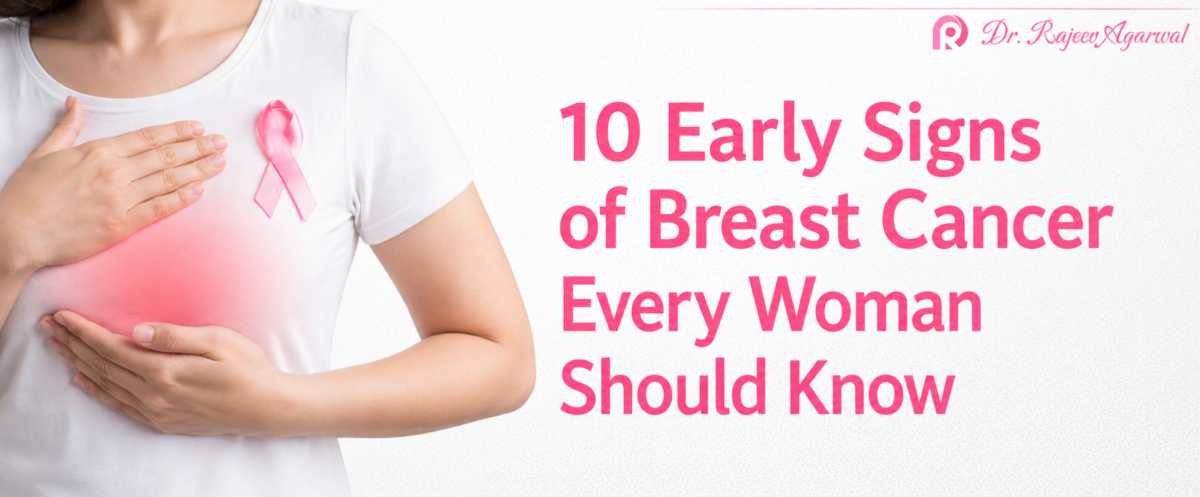
10-Early-Signs-of-Breast-Cancer-Every-Woman-Should-Know-1200x497.png

Breast health is not something most of us think about day to day — at least, not until something doesn’t feel right. And that’s exactly why awareness is so important. As we all know, with breast pain causes, early detection can significantly affect the outcome. So the sooner that cancer is detected, the sooner we have a better chance to treat it and recover from it.

Having worked personally with patients and health awareness programmes, let me tell you this: some early signals are subtle. They’re not always linked to pain or dramatic symptoms. Which is why understanding your body and noticing small changes to it are so important. Let’s review the early symptoms you must never ignore.

Spot It Before It Spreads

Before we talk about symptoms, remember—timing really matters.

Early-stage breast cancer is often:

  • Easier to treat
  • Less likely to spread or metastasize to other organs
  • Associated with higher survival rates

Keeping a routine of self-exams and education on what to keep an eye out for can literally save your life.

1. A New Lump in the Breast or Underarm

This is one of the most frequently discussed signs — and for good reason. A lump may:

  • Feel hard or irregular
  • Be painless (this shocks most people)
  • Show up in the breast or underarm region

All lumps are not cancerous. But any new lump should be checked by a doctor without delay.

2. Breast Size or Shape Changes

Has one of your breasts appeared a little different from the other recently?

Subtle changes can include:

  • Lump in one area of the breast
  • Unexplained shrinkage
  • A visible difference in contour

There are natural forms of asymmetry, but sudden or striking forms should be addressed.

3. Changes in Breast Skin

Your skin can tell you more than you realize.

Watch for things like:

  • Skin dimpling or uneven texture
  • Redness or irritation
  • Skin feeling thicker than usual

These changes may be the sign of tissue changes underneath that require medical evaluation.

4. Nipple Discharge (Especially Without Squeezing)

Nipple discharge can be alarming — and it should be.

Be cautious if:

  • It happens without even needing to press the breast
  • It is bloody or clear
  • It happens in only one breast

Though infections can lead to discharge, unexplained fluid should always be investigated.

5. Nipple Changes

If your nipple begins to retract or invert, that’s a red flag. Look for:

  • An outward-facing nipple turning inward
  • Changes in direction or alignment

These changes can be connected to tissue contracting inward from unusual development.

6. Persistent Breast Pain or Discomfort

A lot of women think pain is the key symptom but in fact, earlybreast pain in womenoften is painful.

That said, lingering or unusual pain should also be taken seriously. Pay attention if:

  • Pain is localised to one area
  • It doesn’t die down with your monthly cycle
  • different from regular hormonal discomfort

7. Lump in the Armpit or Around the Collarbone

If there is a problem, the lymph nodes in these areas can sometimes swell.

Signs include:

  • A mass or lump under the arm
  • Tenderness near the collarbone
  • A lump in the armpit

That might signal that something is going on in the lymphatic system.

8. Unusual Warmth or Redness

Inflammatory changes may sometimes be perceived as warmth in the breast.

You may notice:

  • A part of the breast feeling warmer than normal
  • Red or inflamed skin
  • Rapid changes over a short period

Symptoms may be mistaken for infections

9. Thickening or Hardening of Breast Tissue

You may also feel a general thickening rather than a distinct lump. This can appear as:

  • A dense or firm patch
  • Feels different than the surrounding tissue
  • An invariant change over time

Follow your gut — if something seems off, have it checked.

10. Changes in Vein Appearance

This is a more obscure sign, but still something to consider. Watch for:

  • Veins becoming more visible suddenly
  • An unusual vein pattern that was not present before

Although this is sometimes temporary, it’s best not to take sudden changes lightly.

Your Monthly Breast Check Routine

Self-awareness starts with regular checks. You don’t need any special tools; just consistency.

One basic regimen that you can adopt:

  • Look at your breasts in a mirror
  • Lift your arms and observe for immediate effects
  • When performing this exercise, use your fingers to search for lumps while laying down
  • Include all of the breast area including underarms

Aim for this to become a monthly practice; ideally, after you’ve had your period for a few days.

When Should You See a Doctor?

Here’s a good rule of thumb: Don’t hold out for several symptoms.

See a doctor if you notice:

  • Any new lump
  • Persistent pain
  • Visible skin or nipple changes
  • Unusual discharge

Even if it’s nothing serious, peace of mind is worth it.

Daily Habits That Matter

Though no strategy is foolproof, some habits may lower risk:

  • Keep your weight in check
  • Keep yourself active
  • Don’t overdo alcohol
  • Choose healthy foods over junk
  • Don’t smoke

Regular screening and medical check-ups also help.

The Emotional Side of Awareness

Let’s face it—breast cancer is an uncomfortable, maybe even a scary topic. A lot of women don’t check at all because they fear what the results might show.

The thing is, awareness isn’t about fear — it’s about control.

The knowledge of your body is power. It enables you to take timely action, make informed decisions and be in the driver’s seat of your health.

Conclusion

Your body is sending messages before things get that serious — the trick is tuning in and interpreting them.

You have to be careful sometimes if you want to catch early signs of breast cancer. A small change today could be the signal that translates to early detection — and that can make all the difference.

Know your body, be vigilant and don’t be afraid to ask for help if something feels wrong.

FAQs

1. Can you get breast cancer with no symptoms?

Yes, it is true that early-announced cancer does not show any symptoms, with regular screenings and awareness of its kind being key to success.

2. Are Breast Tumours All Cancerous?

No, all breast lumps aren’t cancer; they’re usually harmless, like cysts or fibroadenomas, but still have them checked.

3. How frequently should you do a breast self-exam?

The breast self-exam, once a month ideally but at least a few days after your period should be over, to get an accurate assessment.

4. Does breast pain mean cancer?

Mostly, breast pain is often related to hormones, but if it feels different or doesn’t go away, you should get it evaluated.

5. What age should screening begin?

Generally, screening begins in your 40s, but women who have more risk factors may require earlier or more frequent medical screenings.

6. But can men also develop breast cancer?

Yes, men can get breast cancer — be it rare — and if a man should notice something strange in his breast, he must see a doctor about the same.
How-to-Dissolve-Breast-Cysts-Naturally_-Safe-Remedies-What-to-Know-1200x497.png

March 27, 2026 Breast lump treatment

Fluid-filled sacs called breast cysts form inside the breast tissue. They are rather prevalent, particularly among women in their 30s and 50s. Although the term “cyst” may sound frightening, the majority of breast cysts are benign, or non-cancerous, and frequently go away on their own without the need for intensive medical care.

But when they find a lump in their breast, many women feel uneasy, sensitive, or anxious. This frequently raises a crucial query: Is it possible for breast cysts to spontaneously dissolve?

Natural therapies and lifestyle changes can often lessen the discomfort associated with breast cysts and occasionally cause them to diminish over time. But knowing when a medical evaluation is required is just as crucial.

This article explains how to dissolve breast cysts naturally, safe remedies that may help, and what every woman should know about managing breast health.

What Are Breast Cysts?

Round or oval sacs filled with fluid that develop inside the breast are called breast cysts. They are frequently associated with changes in hormones, especially estrogen, and arise when fluid builds up in the breast glands. Breast cysts can appear like:

  • A hard or soft breast bulge
  • Movable and silky beneath the skin
  • Painful or sensitive before to menstruation

They can appear in one or both breasts, and occasionally their size varies over the menstrual cycle.

A healthcare practitioner should always examine any new breast lump to rule out other problems, even though the majority of cysts are benign.

Some common reasons for Breast Cysts

Several factors may contribute to the formation of breast cysts, even though the precise reason is not always known:

1. Hormonal Changes: Changes in breast tissue are mostly influenced by hormones, particularly estrogen. Cysts can develop in the breast glands as a result of fluid buildup brought on by hormonal imbalances during menstrual cycles.

2. Changes in Fibrocystic Breasts: Breast lumpiness and soreness are symptoms of fibrocystic breast tissue, a disorder that affects many women.

3. Retention of Excess Fluid: Cyst development may also be influenced by water retention in breast tissue.

4. Caffeine Intake: Some studies revealed that caffeine may make breast cyst discomfort worse for some people.

5. Lifestyle and Stress Factors: Hormonal balance and breast health may be indirectly impacted by stress, a poor diet, and inactivity.

Natural Treatments That Could Help Lessen Breast Cysts

Some of the common remedies to treat Breast Cysts are:

  1. Cut Back on Caffeine: Cutting back on coffee is one of the most often advised lifestyle modifications for women with breast cysts. Caffeine in coffee, tea, chocolates, energy beverages, and some sodas may worsen symptoms. After reducing intake, some women notice less discomfort and tenderness—highlighting a common breast pain reason.
  1. Use a cold or warm compress: Breast cyst pain may be reduced by using compresses. A warm compress can ease discomfort and increase blood circulation. Inflammation and swelling can be lessened with a cold compress. If necessary, apply the compress to the afflicted area for ten to fifteen minutes.
  1. Continue to Eat a Balanced Diet: Breast health and hormone balance are significantly impacted by a nutritious diet. The foods that may promote breast health include green vegetables with leaves, antioxidant-rich fruits, whole grains and foods high in omega-3, such as walnuts and flaxseeds. Maintaining hormonal balance may also be aided by cutting back on processed foods and added sugar.
  1. Take More Vitamins and Minerals: Breast tissue health may be supported by certain vitamins. Key benefits of Vitamins are:
  • Vitamin E may be able to reduce breast soreness.
  • Hormonal homeostasis is supported by vitamin B6.
  • Magnesium may lessen the symptoms of premenstruation.

However, it is always recommended that before beginning supplements, always get medical advice to rule out any underlying disease.

  1. Keep Your Weight in Check: Excess body fat can affect the body’s estrogen levels, which could lead to the development of breast cysts. Indulging yourself in a physical activity like:
  • Strolling
  • Yoga
  • Riding a bike
  • Strength training

can enhance general health and aid in hormone regulation.

  1. Control Your Stress: Hormone levels and general health might be impacted by long-term stress. Among the methods for managing stress are:
  • Practicing meditation
  • Deep breathing techniques
  • Yoga
  • Getting enough sleep

These techniques may decrease breast pain discomfort and indirectly promote hormonal balance.

Keep Yourself Hydrated: Lymphatic drainage and general tissue health are supported by adequate hydration. Reducing fluid retention and promoting natural detoxification processes can be achieved by consuming enough water throughout the day.

When Natural Treatments Are Inadequate

Natural remedies may not always be adequate, even while they might assist control moderate symptoms.

Medical care might be necessary if:

  • The cyst enlarges or gets uncomfortable.
  • After menstruation, the lump continues to exist.
  • Growth is happening quickly.
  • The breast has undergone strange alterations.
  • Physicians may suggest diagnostic procedures like:
  • Ultrasound of the breast
  • Mammography
  • Aspiration using a fine needle

These examinations aid in determining whether the lump is a cyst or a different kind of breast ailment.

Advice for Keeping Your Breasts Healthy

Proactively addressing breast health can lower anxiety and help identify issues early.Some of the early and preventive steps consist of:

  • Do self-examinations of your breasts every month.
  • Make an appointment for routine clinical breast exams.
  • Continue living a healthy lifestyle
  • Steer clear of processed foods and excessive coffee.
  • Consult a doctor if you get a new breast lump.
  • Timely diagnosis and appropriate treatment are ensured by early examination.

Where to get care from?

For a proper evaluation, women with recurrent breast pain, lumps, or discomfort associated with cysts should speak with a skilled professional. For a variety of breast disorders, such as breast cysts, fibrocystic breast disease, breast infections, and other breast health issues, patients at Dr Rajeev Agarwal Clinic receive professional advice and cutting-edge care. To ensure that women receive safe and efficient care, the clinic places a strong emphasis on precise diagnosis, patient education, and individualized treatment regimens.

For a variety of breast health issues, such as breast cysts, lumps, infections, and breast pain, Rajeev Aggarwal Clinic provides specialist care. The clinic prioritizes patient-centered care, precise diagnosis, and cutting-edge treatment options. The clinic offers individualized treatment plans to guarantee efficient and secure care of breast health thanks to its skilled professionals and state-of-the-art facilities.

Conclusion:

Although breast cysts are common and typically benign, many women may experience discomfort and worry as a result of them. By making little lifestyle adjustments, knowing how to naturally dissolve breast cysts can help control symptoms and enhance breast health.

Natural strategies like cutting back on coffee, eating a balanced diet, controlling stress, and exercising may ease discomfort and promote hormonal balance. However, a medical expert should always be consulted with any new or persistent Breast Lump Treatment in Gurgaon.

The greatest method to guarantee early diagnosis and peace of mind is to be proactive about breast health through awareness, routine checkups, and good lifestyle choices.

FAQs:

1. Do breast cysts disappear on their own?

Indeed, a lot of breast cysts go away on their own without medical intervention. Simple cysts frequently diminish or go away on their own, particularly following menstrual cycle hormonal changes. However, it’s crucial to see a doctor for a thorough assessment if a cyst continues, gets bigger, or starts to hurt.

2. What is the natural way to dissolve breast cysts?

Certain lifestyle modifications may naturally lessen the symptoms of breast cysts. These include cutting back on coffee, eating a balanced diet, controlling stress, drinking enough water, and engaging in regular exercise. These treatments might assist maintain hormonal balance and ease discomfort, but they might not be able to get rid of every cyst.

3. Are breast cysts malignant or dangerous?

The majority of breast cysts are benign, meaning they do not raise the risk of breast cancer. To rule out other potential illnesses, a medical practitioner should carefully examine any new breast lump.

4. What signs indicate a breast cyst?

Under the skin, breast cysts frequently manifest as smooth, moveable lumps that are round or oval in shape. Particularly prior to menstruation, they may result in breast pain, swelling, or soreness. Certain cysts are found during a normal breast check or imaging test and may not exhibit any symptoms.

5. When should I consult a physician about a breast cyst?

If a breast lump doesn’t go away after your monthly cycle, gets bigger, hurts, or is connected to skin or nipple changes, you should consult a doctor. To find out if the lump is a cyst or another kind of breast condition, a doctor could suggest testing like aspiration or ultrasound.


How-Wearing-The-Wrong-Bra-Causes-Breast-Pain_-1200x497.png

March 10, 2026 Breast Pain

Getting into a right-fitted bra is always comfortable. Unfortunately, a lot of women are unaware of how wearing the wrong bra can impact the symmetry of the breast and leave them experiencing pain.

In women, to experience this discomfort with the breast is common. For the most part, hormonal changes by-default are considered the cause for pain, a frequently missed, yet under-the-radar cause is due to lack of bra support. This brings up a critical query : Can wearing the wrong bra cause breast pain? By all means, it is true. A bad-fitted bra can contribute largely to breast discomfort, tenderness, and heaviness.

In this blog, study the key details on how bras hampering breast tissue can help deter pain and boost comfort.

Studying Breast Structure

Breasts lack muscles. In fact, they comprise of cooper’s ligaments, connective tissues, blood vessels, fats, and glandular tissue. Breast position and shape is well-maintained with the help of ligaments. Insufficient breast support tends to extend the ligaments, causing pain and discomfort.

The lack of internal muscle support is a must as external support is achieved only with a well-fitted bra. Most importantly, applicable in women who are used to doing some physical activity or those with a bigger bust line.

Can Wearing the Wrong Bra Cause Breast Pain?

How can wearing the wrong bra cause breast pain? If you’ve been wondering, then it is a valid doubt asked but it does have medical relevance. Many issues arise when the bra is loose, too tight, or ineffectively structured.

1. ExtraTightness

A tight bra presses against the breast tissue, hampers blood circulation, troubles nerves, and strains the shoulders and neck. In most cases, the skin turns red and causes pain when a tight underwire bra is worn.

2. Improper Support

A loose bra fails to adequately support breast weight and it can cause issues such as – pain in the back, strain in the ligaments, discomfort in the shoulder, and pulling sensation in the chest. After a period of time, lack of support causes extreme discomfort, especially while doing any form of workout.

3. Wrong Cup Size

Spillage and compression is the main cause for wearing a small cup size. On the other hand, the cups that do not fit right and are too large, lack the ability to hold the breast well. In both these circumstances, the breast experiences tenderness and irritation.

Removing the Bra Is Useful – Helps Breast Tenderness Disappear!

Tenderness in the breast possibly gets better when you take the bra off your skin for a while. Once you’ve taken off the bra, if you instantly start to feel better, it is evident that an ill-fitted bra or too much pressure on the breast was the root cause.

Fortunately, breast tenderness caused due to the bra can easily go away, however, if the reason for pain is a hormonal issue then it could take time to improve.

Warning Signs Your Bra Is Causing Pain/Discomfort

If you notice the following symptoms, you require a bra that fits well:

  • Under-breast rash or redness
  • Marks forming on the skin due to tightness in shoulder strap
  • Underwire bra poking the skin
  • Breast falling-out from the sides
  • Frequent need to adjust straps
  • Breast tenderness getting better after removing the bra

Who Is Most Likely At Risk?

Bra-related pain in the breast targets a group of women. They are:

  • Women with A Heavy Bust Line

Ligaments are most impacted when the breast tissues lack support.

  • Women into Fitness

  • While exercising, the breasts do not remain stationed at one place, they move in different directions. Therefore, feeling soreness is common. 

  • Women Experiencing Hormonal Fluctuation

Hormonal alterations while menstruating, during pregnancy, or menopause tend to increase breast sensitivity. A bra that fails to fit-well may increase the discomfort.

Negative-Effects of Wearing the Wrong Bra

Excessive usage of an ill-fitted bra can cause:

  • Continuous breast soreness
  • Major posture issues
  • Pain in the back and neck
  • Skin issues
  • Strain on the

Bra’s are not the cause of serious diseases, constant discomfort can impact quality of life and day-to-day functioning.

Effective Ways To Choose the Right Bra

To keep away from bra-related breast pain, take the following aspects into consideration:

  • Get A Custom-Fitted Bra

The right band and cup size is necessary to avoid breast pain.

  • Verify The Fit Is Correct

The band should fit right around your body.

  • Adjust Straps Effectively

Wear straps that fit right on the shoulders.

  • Find Your Fashion Vibe

Choose a breast shape that covers the breast effectively and offers comfort.

  • Avoid Wearing Worn-Out Bras

Loose elastic is not a good bra. Replace your bra every 6-12 months.

Conclusion

Wearing the wrong bra can cause breast pain if it is loose-fitted. It tends to pressurize ligaments and tissues causing extreme discomfort. Never settle for any bra, but only for the one that offers the right size. To avoid breast pain, one must pay attention to internal and external aspects.


11-Common-Causes-of-Breast-Pain-Learn-About-Them-1200x497.png

March 6, 2026 Breast Pain

Statistically, nearly 70% of women are tussling with breast pain at some phase of their lives. One experiences slight soreness, bulkiness, and shooting pain. Breast pain tends to make women anxious. Typically, there is a chronic apprehension that breast pain means cancer. In reality, there are other real causes of breast pain.

In this blog let’s find out about what are the most common causes of breast pain? Learn about the clinical reasons behind every symptom and figure out when to professionally pay attention to assessing the complexity of the pain.

What Are The Types Of Breast Pain?

Medically, breast pain is even referred to as mastalgia. This condition is divided into two types:

  • Non-cyclic breast pain – no connection with periods
  • Cyclical breast pain – it has a direct connection with period-related hormones

It is essential to first find out the nature of pain to ultimately arrive at what causes it.

1. Fluctuations During Menstrual Cycle

One of the most prevalent common causes of breast pain in women is due to a drastic difference in the hormonal functions. Right before periods, the levels of progesterone and estrogen increase before periods start, resulting in soreness and heaviness in the breast due to fluid accumulation.

The usual symptoms are:

  • Soreness before periods
  • Breast pain on both sides
  • Sluggish feeling
  • Bloating relief after periods begin

During periods, this is commonly experienced and does not need to be treated as such. Home remedies, or medications in some cases, can help provide relief.

2. Lumpy Thickened Breast Tissue

Nodular breast texture can cause fibrocystic alterations, resulting in excessive sensitivity and pain. Women between 20-50 tend to experience this. Some of the symptoms are

  • Excessive pain before menstrual cycle begins
  • Slight discomfort
  • Swelled up breasts
  • Cord like structures

Despite this not being cancerous, it is always best for a specialist to assess new lumps.

3. Woman Expecting A Child

It is natural for hormones to evolve when a woman is just pregnant. The body is getting prepared to breastfeed later on. Therefore, here’s what women feel:

  • Tenderness
  • Tingling discomfort
  • Excessive swelling
  • Boosted sensitivity

This is a temporary sort of discomfort and these are bound to change physiologically.

4. Lactational Mastitis

Breastfeeding mothers go through pain due to:

  • Congestion
  • Clogged ducts
  • Infection in the beast

Treating mastitis at the earliest is necessary as it can further lead to other health issues such as warmth, redness, extreme pain, and fever. Thus, taking care of the condition helps keep away from complications.

5. Unsupportive Bra

An unsupportive bra often leads to other issues and extreme discomfort. This is among the other common causes of breast pain in women. Lack of support ends up straining the breast ligaments while performing physical activities.

6. Benign Breast Lumps

Benign breast lumps are fluid filled within the breast tissue. Before getting periods, tenderness tends to shoot-up. They get sore and are harmless. When it causes pain, clinical evaluation becomes highly essential.

7. Wounds

Yet another common cause for localized breast pain is due to meeting with an accident or struggling with trauma. After a period of time, this pain gets better.

8. Certain Medication

A few medicines cause breast pain and soreness. Some of those specific kinds of medicines are hormonal birth control,  menopausal hormone therapy, reproductive medicine, and antidepressant tablets.

9. Lifestyle Choices & Habits

Extreme stress affects hormone balance and cyclical breast pain increases. Consuming too much of caffeine and ineffective dietary habits worsens symptoms in women.

10. Body Aches or Sore Muscles

A lot of times, pain experienced in the breast starts from the ribs. Stressing on that part causes pain, in reality, it is not the breast tissue that actually hurts but strain in the chest.

11. Breast Cancer (Hardly the cause)

When we think of what are the most common causes of breast pain?, it is quintessential to understand clearly that breast cancer is not associated with pain alone. Surprisingly, there are many breast cancers that do not cause pain. Most early breast cancers are painless.

However, see a doctor if you witness:

  • An unusual lump
  • Puckering
  • Discharge from the nipples
  • Continuous pain in one area
  • Loss of firmness

Finding out early makes sure you are diagnosed well and stress-free.

Conclusion

Henceforth, when you wonder what are the most common causes of breast pain, you can guess the answer by relooking into the most evident cases such as breast pain occurring due to changes in hormones, benign breast conditions, after expecting a child, or major changes in lifestyle.

Learning about the common causes of breast pain in women helps break myths around having breast cancer only when there is pain and at the same time, you know when to medically consult an expert. If you are struggling with constant or unexpected symptoms, getting the condition evaluated with Dr. Rajeev Agarwal can help gain clarity, comfort, and specialized treatment.

Breast health should not be taken for granted. Early evaluation and the right medical care promises good health.


Copyright by Ichelon 2021. All rights reserved.
